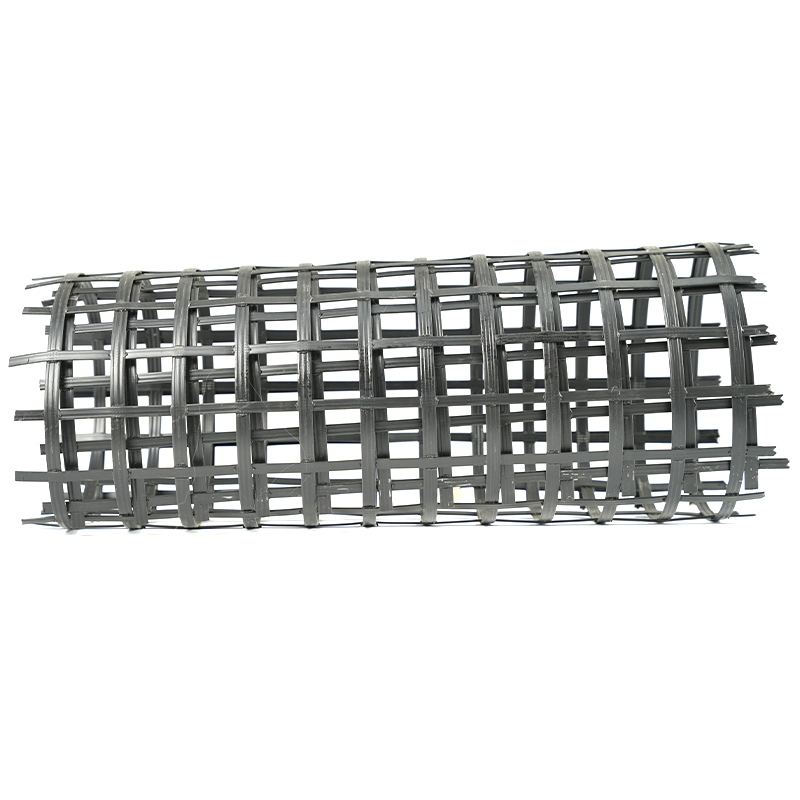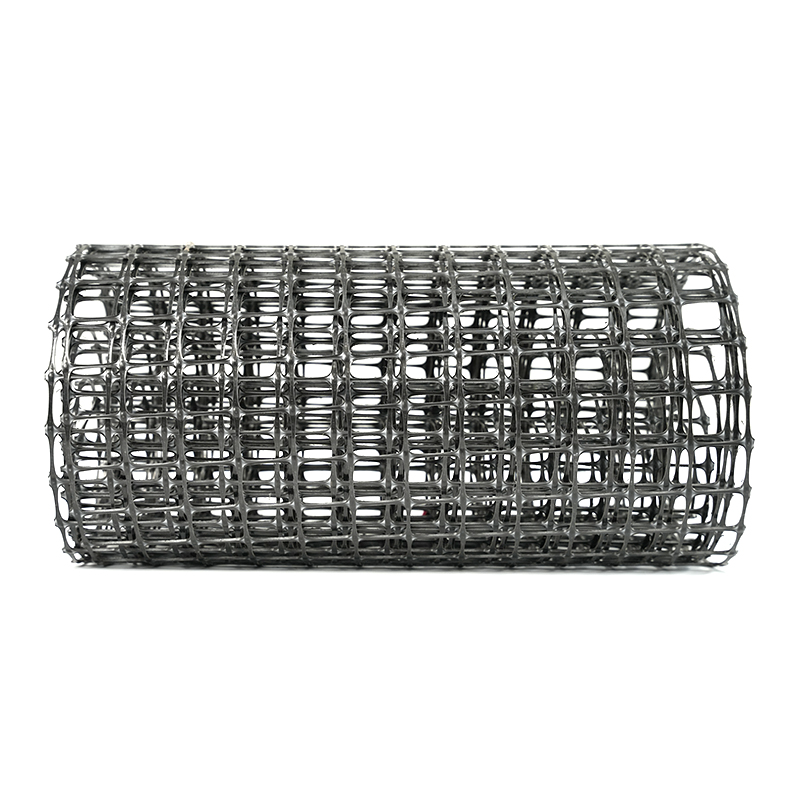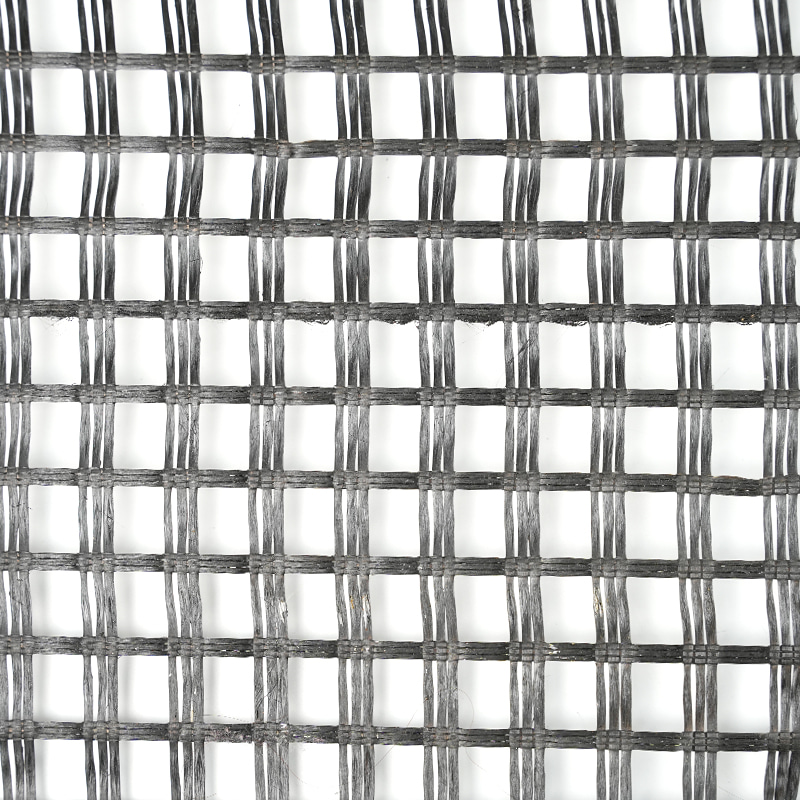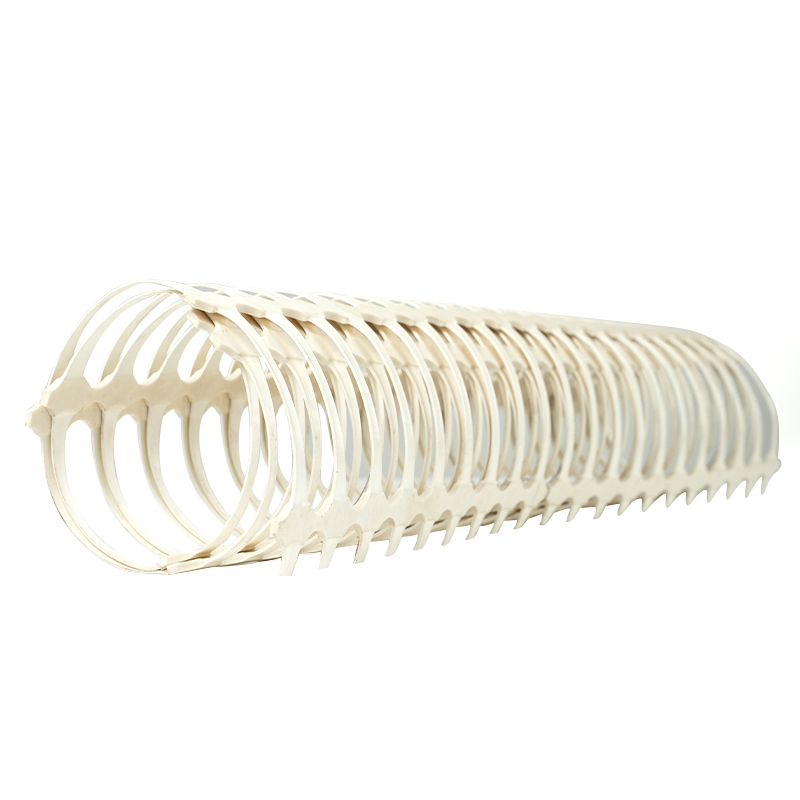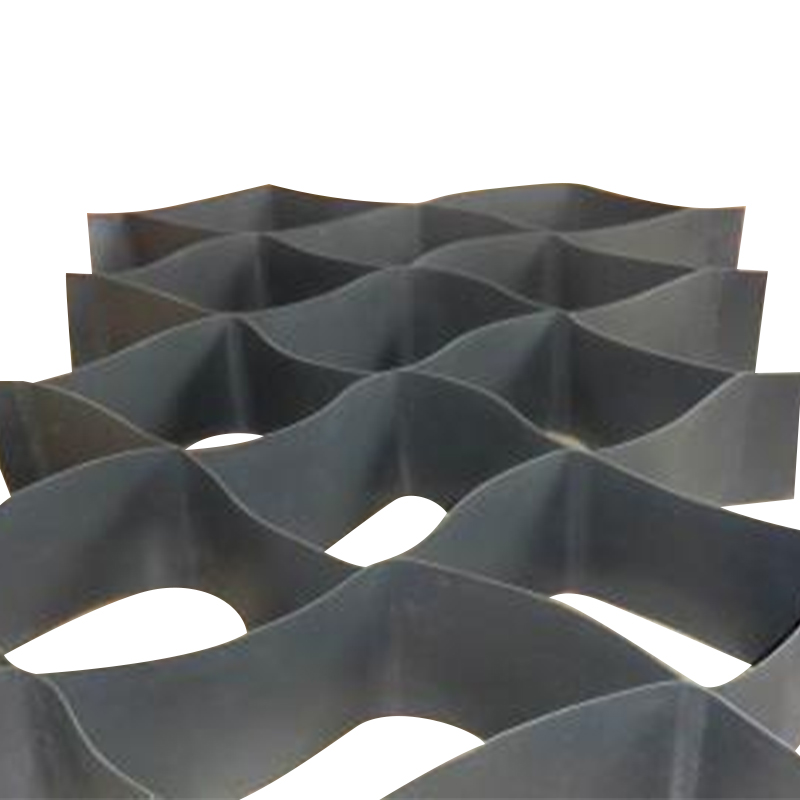

The Obousměrná výrobní linka PP PE geomříže má kompaktní konstrukci s energeticky úsporným designem a přesnou regulací teploty. Zpracovává polypropylenové (PP) a polyetylenové (PE) termoplastické polymery, přičemž některé linky jsou schopné začlenit recyklované materiály prostřednictvím vícesložkových dávkovacích systémů. Linky na namáčení geomříží ze skleněných vláken využívají vícezónové nezávislé ovládání pece pro vyvážení spotřeby energie s ekologickými požadavky.
Návrh energetické účinnosti a úspory energie
Moderní výrobní linky pro obousměrné geomříže dosahují kompaktního uspořádání, které snižuje podlahovou plochu a zároveň optimalizuje cesty přenosu tepla. V PP/PE biaxiálních geomřížových liniích využívá sekce natahování a usazování víceválcová podélná natahovací zařízení s dvouspirálovými olejovými kanály pro vedení tepla. Tato konstrukce minimalizuje axiální teplotní rozdíly mezi povrchy válců, výrazně zlepšuje přesnost regulace teploty a snižuje plýtvání energií.
U linek máčení sklolaminátové geomříže je vytvrzovací pec rozdělena do několika nezávislých teplotních zón. Typická 4metrová linka s pracovní šířkou obsahuje 5 samostatně ovládaných zón, které operátorům umožňují upravit křivku vytvrzování na základě obsahu pryskyřice a specifikací vláken. Tento zónový přístup eliminuje energetickou redundanci rovnoměrného ohřevu a snižuje kolísání pevnosti ve spojích mřížky způsobené neúplným vytvrzením.
| Energeticky úsporný prvek | Implementace | Přínos účinnosti |
| Vícezónové nezávislé ovládání | Trouba rozdělená na 5 samostatně nastavitelných zón | Vytápění na základě poptávky bez nadbytečné spotřeby energie |
| Dvojité spirálové olejové kanály | Minimální axiální teplotní rozdíl mezi válečky | Snížené tepelné ztráty a cykly přihřívání |
| Kompaktní struktura | Malé rozměry se zkrácenými cestami přenosu tepla | Nižší ztráty odvodem tepla |
| Řízení PLC v uzavřené smyčce | Automatizační systém Siemens pro nastavování v reálném čase | Optimalizovaný provozní výkon, snížená spotřeba při nečinnosti |
| Automatické napínání a skladování | Předpětí konstantním tahem s automatickým řezáním | Snížení plýtvání materiálem a přepracování |
Materiálová kompatibilita a recyklovaný obsah
Linky na výrobu obousměrných geomříží využívají polypropylen (PP) nebo polyethylen (PE) jako primární surovinu, přeměňující polymerní desky na materiály s mřížkovou strukturou s vysokou pevností v tahu v obou směrech. Jako termoplastické polymery lze PP a PE opakovaně tavit a znovu zpracovávat, což poskytuje technický základ pro využití recyklovaného materiálu.
Pokročilé výrobní linky jsou vybaveny vícesložkovými automatickými dávkovacími a podávacími systémy schopnými zpracovávat 4 až 6 komponent současně. To umožňuje výrobcům míchat recyklovaný materiál, barevnou předsměs a přísady s původními PP/PE peletami v kontrolovaných poměrech. Funkce ukládání receptur umožňují přepínání mezi recepty jedním kliknutím, což usnadňuje obnovu zdrojů při zachování mechanického výkonu produktu.
| Typ materiálu | Zpracovatelnost | Recyklační aplikace |
| PP (polypropylen) | Výborně | Termoplast vhodný pro míchání průmyslových recyklovaných materiálů |
| PE (polyetylen) | Výborně | Kompatibilní s vícesložkovým měřením v kontrolovaných poměrech |
| Sklolaminát | Vyžaduje ošetření máčením | Používá se jako výztuž; prodlužuje životnost navržené konstrukce |
| Recyklované plastové pelety | Kompatibilní | Smícháno s původním materiálem pomocí automatických dávkovacích systémů |
Kontrola emisí a udržitelná výroba
Při hodnocení výrobních linek pro namáčení sklolaminátové geomříže jsou kritickými hodnotícími kritérii spotřeba energie a úprava emisí. Renomovaní dodavatelé zařízení integrují systémy čištění výfukových plynů, aby zajistili shodu s ekologickými normami. Automatizovaná výroba navíc optimalizuje procesy řezání materiálu, tkaní a spojování, aby se minimalizovalo ořezávání hran a tvorba nadměrného materiálu u zdroje.
Z hlediska životního cyklu vyžadují silnice, náspy a svahy vyztužené obousměrnými geomřížemi podstatně méně materiálu na údržbu a opravy v průběhu času. Prodloužená životnost těchto infrastrukturních aktiv nepřímo snižuje těžbu zdrojů a spotřebu energie spojenou s opakovanou obnovou, což prokazuje hodnotu udržitelnosti na úrovni materiálu.
Klíčová hodnotící kritéria pro výběr zařízení
Při pořizování výrobních linek pro výrobu obousměrných geomříží nebo sklolaminátových geomříží posuďte energetickou účinnost a environmentální výkonnost v následujících dimenzích:
- Ověřte počet zón trouby a rozsah tolerance teploty; upřednostňovat vícezónové nezávislé ovládací konfigurace
- Ověřte, zda jsou zahrnuty systémy pro sběr a úpravu výfukových plynů a zda jsou v souladu s místními předpisy pro ochranu životního prostředí
- Určete maximální počet dávkovacích komponent (4 nebo 6), abyste vyhodnotili flexibilitu míchání recyklovaného materiálu
- Prohlédněte si ukazatele tepelné účinnosti a specifikace rozdílu teplot povrchu válce olejového systému pro vedení tepla
- Zajistěte, aby řídicí systém PLC podporoval koordinovanou optimalizaci rychlosti výroby, napětí a teploty
Závěr
Obousměrné výrobní linky geomříže dosahují vynikajícího hospodaření s energií prostřednictvím kompaktních struktur, vícezónové nezávislé regulace teploty, vysoce přesných olejových systémů pro vedení tepla a automatizovaného řízení s uzavřenou smyčkou. Termoplastická povaha PP/PE suroviny v kombinaci s vícesložkovými dávkovacími systémy činí z využití recyklovaného materiálu životaschopnou výrobní možnost. V případě linek geomříže ze skleněných vláken posilují konfigurace zónového vytvrzování a úpravy výfukových plynů dále soulad s životním prostředím. Během pořizování zařízení by měly být metriky spotřeby energie a materiálové kompatibility zahrnuty do základních hodnotících kritérií, aby bylo dosaženo vyvážených dlouhodobých provozních nákladů a přínosů pro životní prostředí.